Introduction
Motorcycling is a thrilling and exhilarating experience, but it comes with its own set of risks. Whether you’re a seasoned rider or just starting out, understanding motorcycle safety is crucial to ensuring your well-being on the road. In this comprehensive guide, we’ll delve into essential motorcycle safety tips every rider should know before hitting the streets. From gear recommendations to defensive riding techniques, this article aims to equip you with valuable insights that can help minimize risks and enhance your riding experience.
Motorcycle Safety Tips Every Rider Should Know Before Hitting the Streets
The Importance of Motorcycle Safety
Before we dive deep into specific tips, let’s take a moment to understand why motorcycle safety is paramount. Did you know that motorcyclists are 28 times more likely to die in an accident than car occupants? This staggering statistic underscores the importance of taking proactive measures to protect yourself while on two wheels.
Understanding Your Motorcycle
Choosing the Right Motorcycle
When it comes to motorcycle safety, choosing the right bike plays a significant role. Factors such as engine size, weight, and style can affect your handling and control. A beginner might want to start with a lighter bike that’s easier to maneuver while gaining experience.
Familiarizing Yourself with Your Motorcycle's Controls
Knowing how your motorcycle operates is critical. Spend time getting familiar with the throttle, brakes, clutch, and other controls before hitting the road. Understanding how these components work together can significantly improve your reaction time in emergencies.
Essential Gear for Riders
Wearing Proper Protective Gear
Wearing appropriate protective gear can dramatically reduce injuries in case of an accident. Here’s a list of essential items every rider should consider:
- Helmet: Always wear a DOT-approved helmet. Jacket: Choose a durable jacket made from leather or high-tech materials. Gloves: Protect your hands from abrasions and provide better grip. Pants: Invest in reinforced riding pants for added protection. Boots: Opt for sturdy boots that cover your ankles.
The Role of Visibility
Riding is much safer when you’re visible to other motorists. Brightly colored gear and reflective elements can make all the difference during low-light conditions. Adding reflective tape or stickers to your bike can also enhance visibility.
Pre-Ride Checks: A Crucial Step
Before heading out for a ride, conducting a pre-ride check is essential. This simple practice could save your life:
Tires: Check tire pressure and tread depth. Lights: Ensure all lights are functioning properly. Brakes: Test both front and rear brakes. Fluid Levels: Check oil and coolant levels.By performing these checks regularly, you’re setting yourself up for a safer ride.
Riding Techniques for Safety
Defensive Riding Strategies
Defensive riding means anticipating potential hazards on the road rather than reacting to them:
Always be aware of your surroundings: Keep an eye on vehicles around you. Maintain distance: Increase following distance from other vehicles. Use signals correctly: Always signal before changing lanes or turning.Understanding Road Conditions
The condition of the road plays a crucial role in motorcycle safety:
- Wet or slippery roads require extra caution. Be wary of potholes or debris that may cause loss of control. Adjust speed according to weather conditions.
Navigating Traffic Safely
Lane Splitting: Pros and Cons
Lane splitting—riding between lanes—is legal in some places but not others. While it can help avoid traffic jams, it also increases risk if not done carefully:
- Make sure there’s ample space between vehicles before attempting lane splitting. Keep an eye out for sudden movements from drivers who may change lanes without signaling.
Interacting with Other Drivers
Communicating effectively with other road users can prevent accidents:
- Make eye contact when possible. Use hand signals if necessary; don’t rely solely on turn signals.
Common Causes of Motorcycle Accidents
Understanding common causes can help riders stay vigilant:
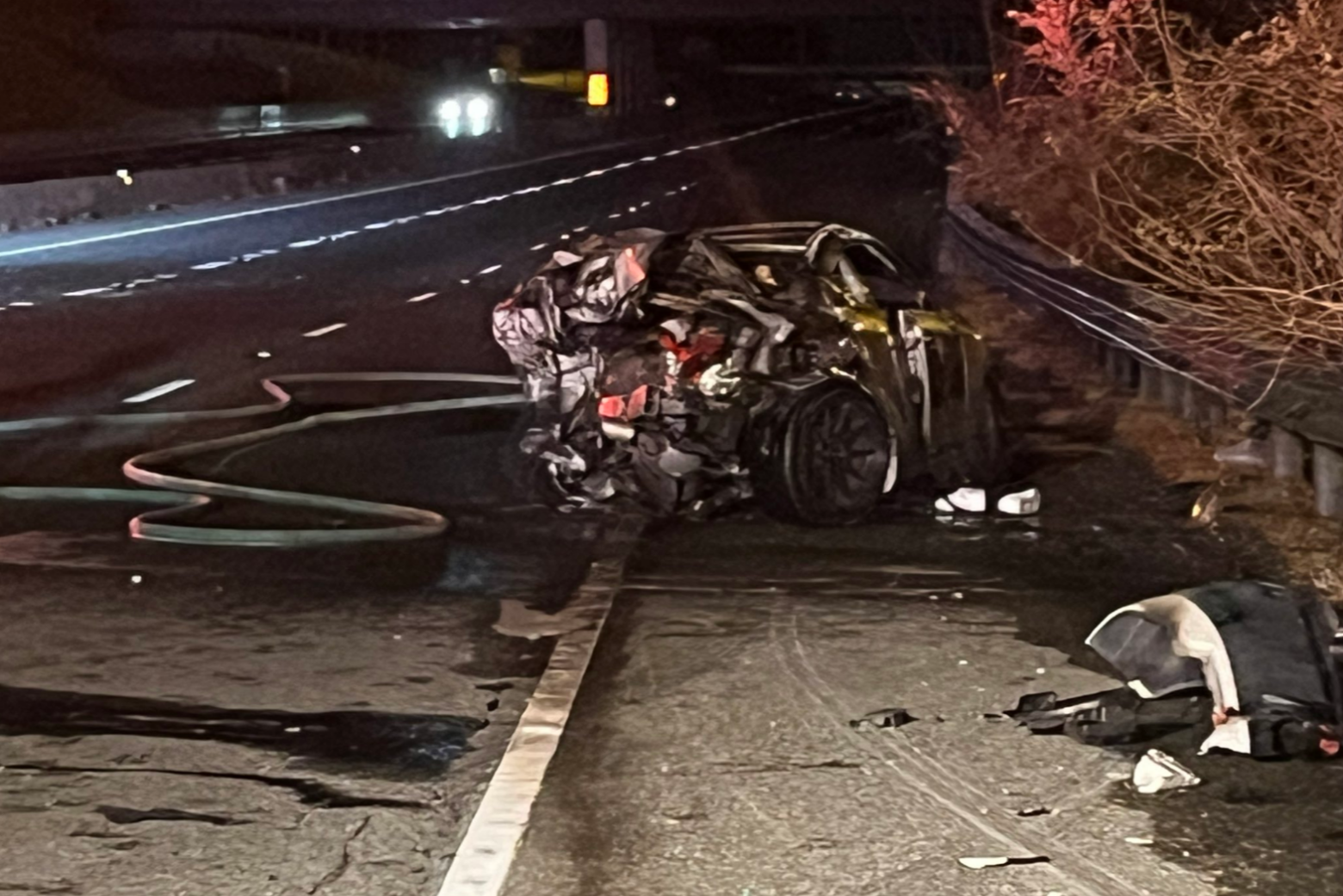
Inattentive drivers Speeding Driving under the influenceEach cause requires different strategies for prevention—being aware makes all the difference!
Emergency Maneuvers
Being prepared for emergencies can save lives:
Braking Techniques
Learn how to brake effectively without losing control:
Use both front and rear brakes smoothly. Practice emergency stops in safe environments.Evasive Actions
Sometimes quick evasive maneuvers are necessary:
Practice swerving techniques in controlled areas. Familiarize yourself with counter-steering principles.Riding at Night
Night riding presents unique challenges:
- Decreased visibility means slowing down is essential. Ensure all lights are functioning optimally before venturing out after dark.
Staying Sober While Riding
Riding under the influence significantly increases risk—never take chances! If you've been drinking or are impaired by medication, find alternative transportation like rideshares or taxis.
FAQs About Motorcycle Safety Tips Every Rider Should Know Before Hitting the Streets
What type of helmet should I wear?
Always opt for DOT-approved helmets designed specifically for motorcycling; they offer better protection compared to regular helmets.

How often should I conduct pre-ride checks?
Pre-ride checks should be performed every time you plan on riding; it's better safe than sorry!
Is lane splitting legal everywhere?
No! Lane splitting laws vary by state/country—be sure you know local laws before attempting it!
What should I do if I encounter an aggressive driver?
Stay calm! Avoid confrontation; try putting distance between yourself and their vehicle instead.
Are there any special courses I should take as a new rider?
Yes! Look into taking basic motorcycle safety courses—they teach vital skills while helping new riders gain confidence!

How important is wearing protective gear?
Extremely! Wearing suitable gear dramatically reduces injury severity during accidents—always wear it!
Conclusion
In conclusion, mastering motorcycle safety involves more than just wearing protective gear; it encompasses understanding your bike, practicing defensive riding techniques, and being aware of road conditions around you. By incorporating these motorcycle safety tips every rider should know before hitting the streets, you're actively contributing to not only your own safety but also that of those around you on the road.
As you ride through life’s adventures on two wheels, remember that knowledge is power—the more informed you are about potential hazards and how best to navigate them safely will directly impact your experience behind handlebars! So gear up responsibly, ride smartly, and enjoy http://large-parcel-sales-pre-sale-advice-listicle.theburnward.com/what-makes-an-effective-truck-accident-lawyer-in-seattle every thrilling moment out there!